
Le forum de l’adénome de la prostate
Advice, news, and expert answers to better understand and treat benign prostatic hyperplasia

Prostate problem at 70 years old
After the age of 70, prostate problems become very common, but in the vast majority of cases, they remain benign and are well managed. Discover the symptoms that should be a warning sign at this age, how to distinguish BPH from cancer, and which treatment options remain appropriate.

Prostate embolization reviews: what do patient feedback say?
What do patients who have undergone prostate embolization really think? Discover what their feedback reveals, particularly around the second month—a pivotal period when the initial benefits become noticeable—as well as their progress throughout the follow-up.

Prostate: 6 bad habits to avoid
Prostate health doesn't depend on age alone: certain everyday habits, often harmless, worsen urinary symptoms related to BPH. Discover the six habits to correct, from urinary retention to a lack of medical follow-up, to protect your prostate for the long term.
Recovery after prostate adenoma surgery
Recovery after prostate adenoma surgery varies greatly depending on the chosen technique. This guide compares the typical timeframes between the various procedures and details the precautions to be observed, as well as the warning signs to look out for during recovery.

Prostate enlargement and sexuality
Many men notice an impact on their sexuality after being diagnosed with an adenoma, without always understanding the true cause. Discover what is truly related to the pathology, what stems from other factors such as sleep or anxiety, and how to sustainably preserve your intimate life and your relationship.
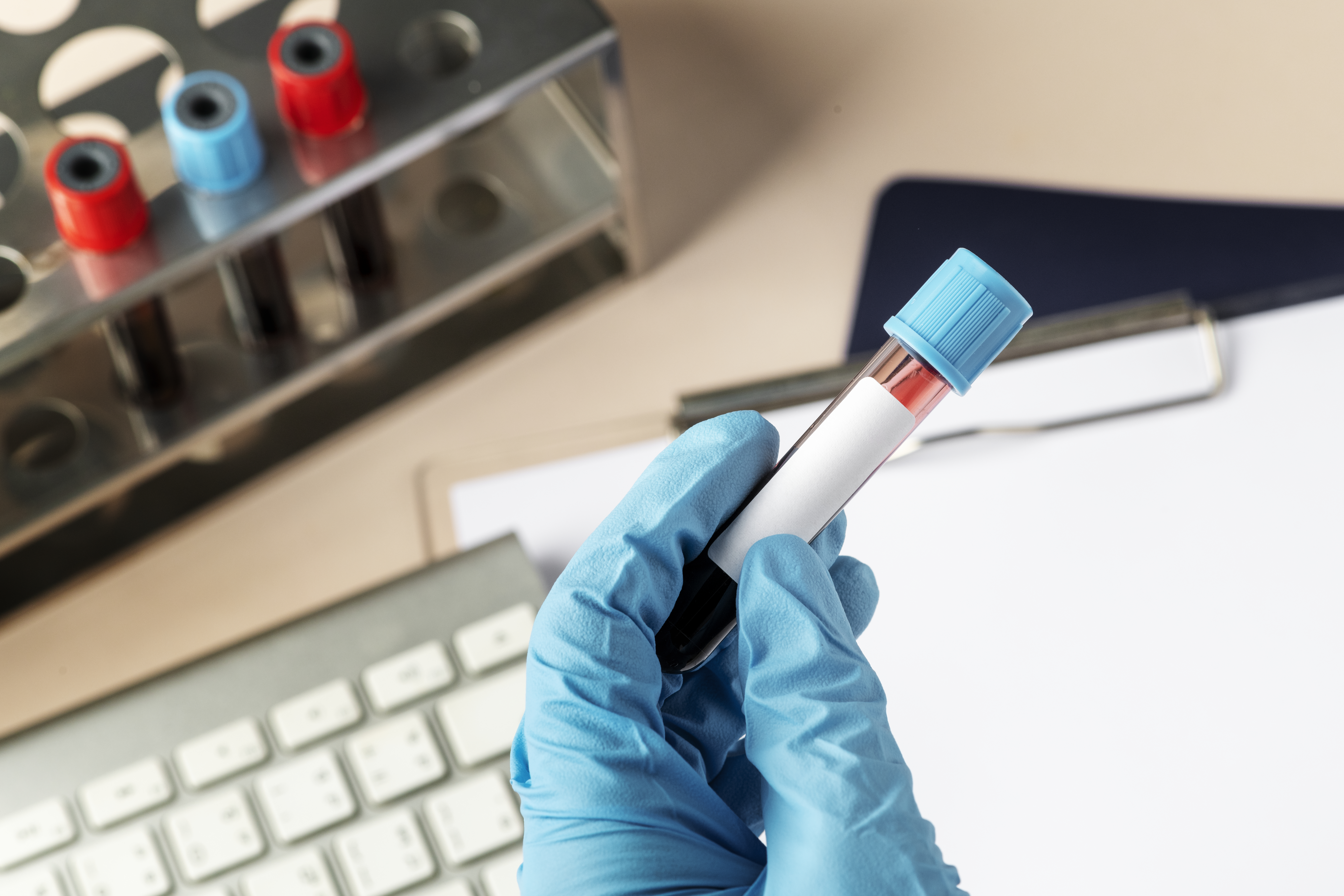
Prostate hypertrophy and PSA
A high PSA level does not automatically mean prostate cancer. In the majority of cases in a man over 50, an elevated PSA is simply explained by benign prostatic hyperplasia (BPH), also called prostate adenoma —.

How much does a prostate embolization cost?
After understanding what prostatic artery embolization entails and who it is for, one question comes up almost systematically with our patients: how much will this procedure cost, and will it be reimbursed? Here are the concrete answers to...

How to clean your prostate naturally?
In cases of benign prostatic hyperplasia, it is not possible to “clean” the gland. On the other hand, a diet with anti-inflammatory properties, regular physical activity, and a reduction in saturated fats can help reduce mild urinary symptoms. If symptoms persist, medical advice is necessary.

Prostate cancer treatment
Prostate cryotherapy is now recognized as a treatment that is particularly well-suited for certain localized cancers. By destroying cancer cells through targeted freezing, it allows for excellent disease control while preserving healthy tissues and the patient's quality of life as much as possible.

Testimonial after prostate surgery
Prostate operations, such as radical prostatectomy for prostate cancer or ablation for adenoma, are now safe, supervised procedures. Between the ages of 50 and 60, many patients undergo a PSA test to detect and confirm the diagnosis. The procedure, performed by a urologist and covered by social security, may result in temporary bladder leakage, but has a lasting impact on quality of life. To read about real patient experiences, several specialized forums offer testimonials on recovery and life after prostate removal.