
The prostate adenoma forum
Advice, news, and expert answers to better understand and treat benign prostatic hyperplasia

Testimonial after prostate surgery
Prostate surgeries are well-regulated today, whether they involve cancer or an adenoma. After a diagnosis often including a PSA test, the procedure can lastingly improve the quality of life. However, a recovery period is necessary, particularly in the event of temporary urinary leakage.

Prostate removal
Prostatectomy is a treatment for prostate cancer and severe benign enlargement. Although effective, this procedure can cause side effects such as urinary incontinence or erectile dysfunction. Life expectancy after prostatectomy depends on the stage of the disease and the patient's general condition. For cases of BPH, a non-surgical alternative exists: prostate embolization, a less invasive solution with no need for a urinary catheter and rapid recovery. Consult a specialist to choose the treatment best suited to your situation.

Prostatitis: symptoms and treatment
Prostatitis is an inflammation of the prostate, the gland located below the bladder in men. It can affect men of any age, but is most common in men over 50. It causes bothersome pain and a variety of urinary symptoms.
REZUM prostate: Mini-Invasive treatment of BPH
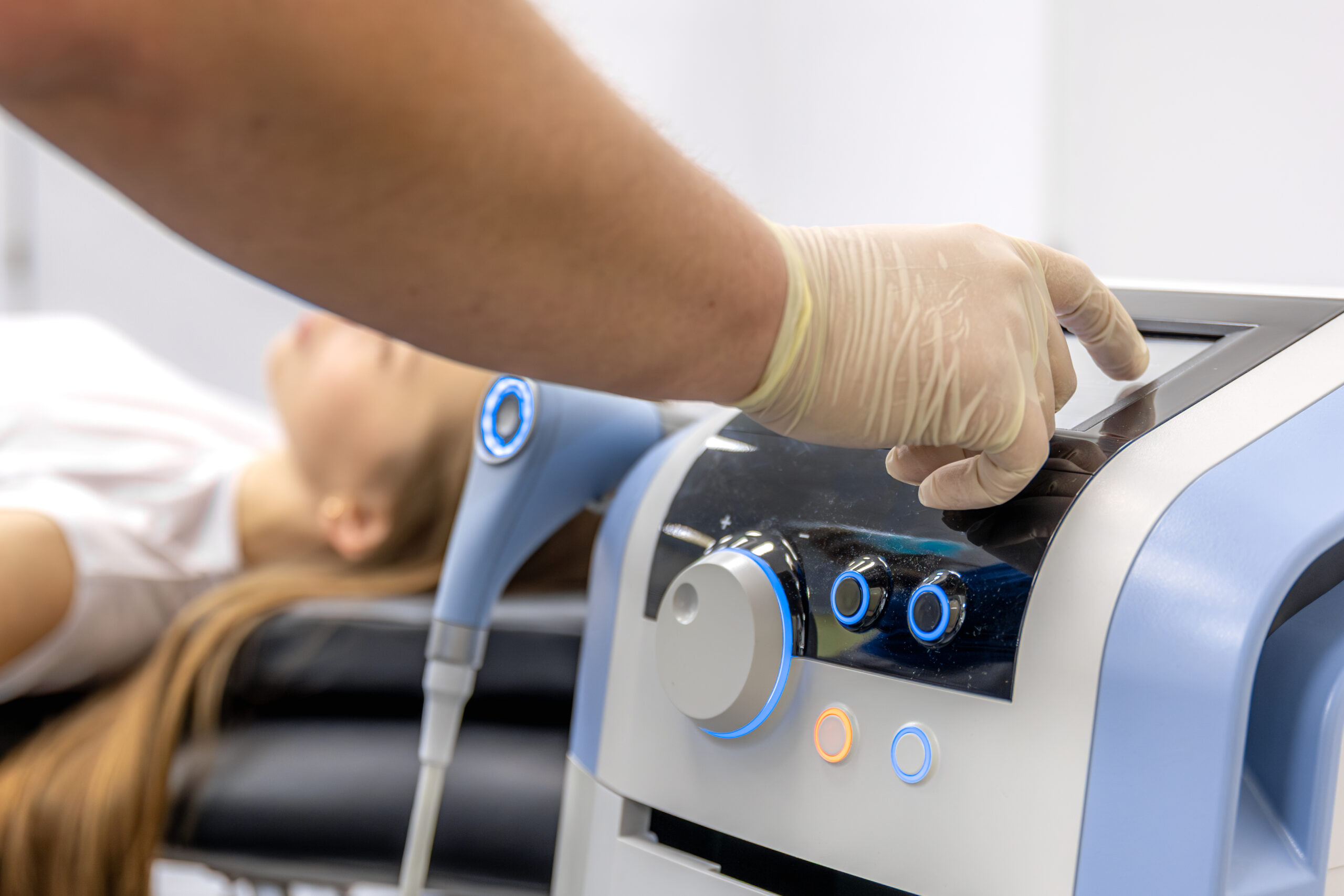
REZUM treatment uses steam to reduce prostate volume and relieve urinary symptoms associated with benign prostatic hyperplasia (BPH). Although this method is effective, it has limitations, such as the need for a urinary catheter after the procedure and gradual results. At the Prostate Center, we offer REZUM, but we prefer prostate embolization, a non-invasive, non-surgical alternative with an immediate effect and no impact on sexuality. This solution enables rapid recovery and offers a long-lasting treatment for BPH.

What drinks should I avoid for my prostate?
Understand prostate adenoma and which drinks to avoid to reduce symptoms. Learn why alcohol, caffeine and sugary drinks can aggravate prostate problems, and find out which drinks to choose for better urinary health. Adopt a balanced diet and follow our advice to take care of your prostate.

Can you get a hard-on after prostate surgery?
Find out how to regain a fulfilling sex life after prostate surgery: advice, treatments and solutions to improve erectile function.
Urinary retention: Minimally invasive treatment
Acute urinary retention (AUR) is a common medical problem, especially in elderly men, and it can be a significant source of discomfort and complications. This condition, often linked to benign prostatic hyperplasia (BPH), prevents urine from...

Prostate resurfacing: Side effects of TURP
Transurethral resection of the prostate (TURP), also known as prostate planing, is a surgical procedure frequently performed to relieve the symptoms of benign prostatic hyperplasia (BPH). This condition, common in men over 50, is characterized by an abnormal increase in the volume of the prostate gland, leading to urinary problems that can be severe, such as urinary retention or frequent urination.

Exercises to reduce prostate volume
Kegel exercises are specifically designed to strengthen the pelvic floor muscles. These muscles support the bladder and help control the urethra, which is crucial for relieving the urinary symptoms of BPH.
To practice, identify the muscles of the perineum by trying to stop the flow of urine. Contract these muscles and hold for 5 seconds, then relax for 5 seconds. Repeat this exercise 10 to 15 times, 3 times a day. These exercises can be done discreetly at any time and are particularly useful for improving urinary control in men suffering from BPH or who have undergone prostate surgery.
Prohibited foods for the prostate: Which ones?
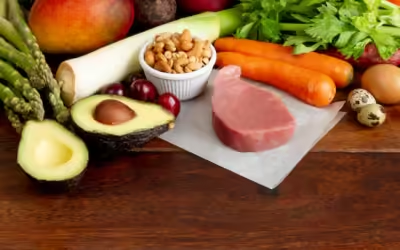
The prostate is an essential gland of the male reproductive system, located just below the bladder and surrounding the urethra. This small, walnut-sized gland plays a crucial role in the production of seminal fluid, which transports and nourishes sperm. However, with age, the prostate can become prone to various problems, such as benign prostatic hyperplasia (BPH), inflammation (prostatitis) and prostate cancer. The right diet can play a key role in preventing these disorders. Here's a detailed look at the foods to avoid to preserve prostate health.